4 hr
Historic Dubai Souks & Street Food Walking Tour
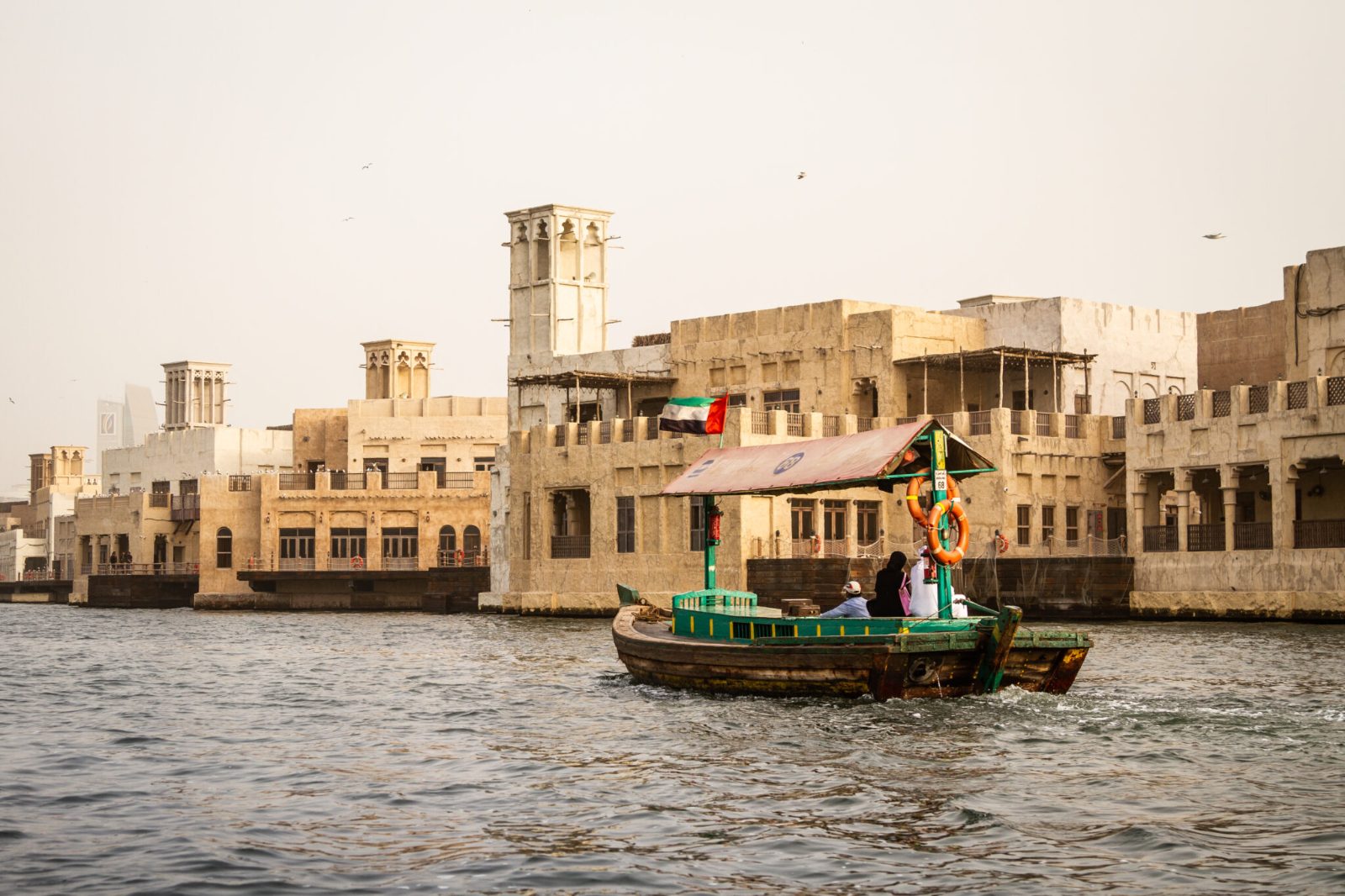
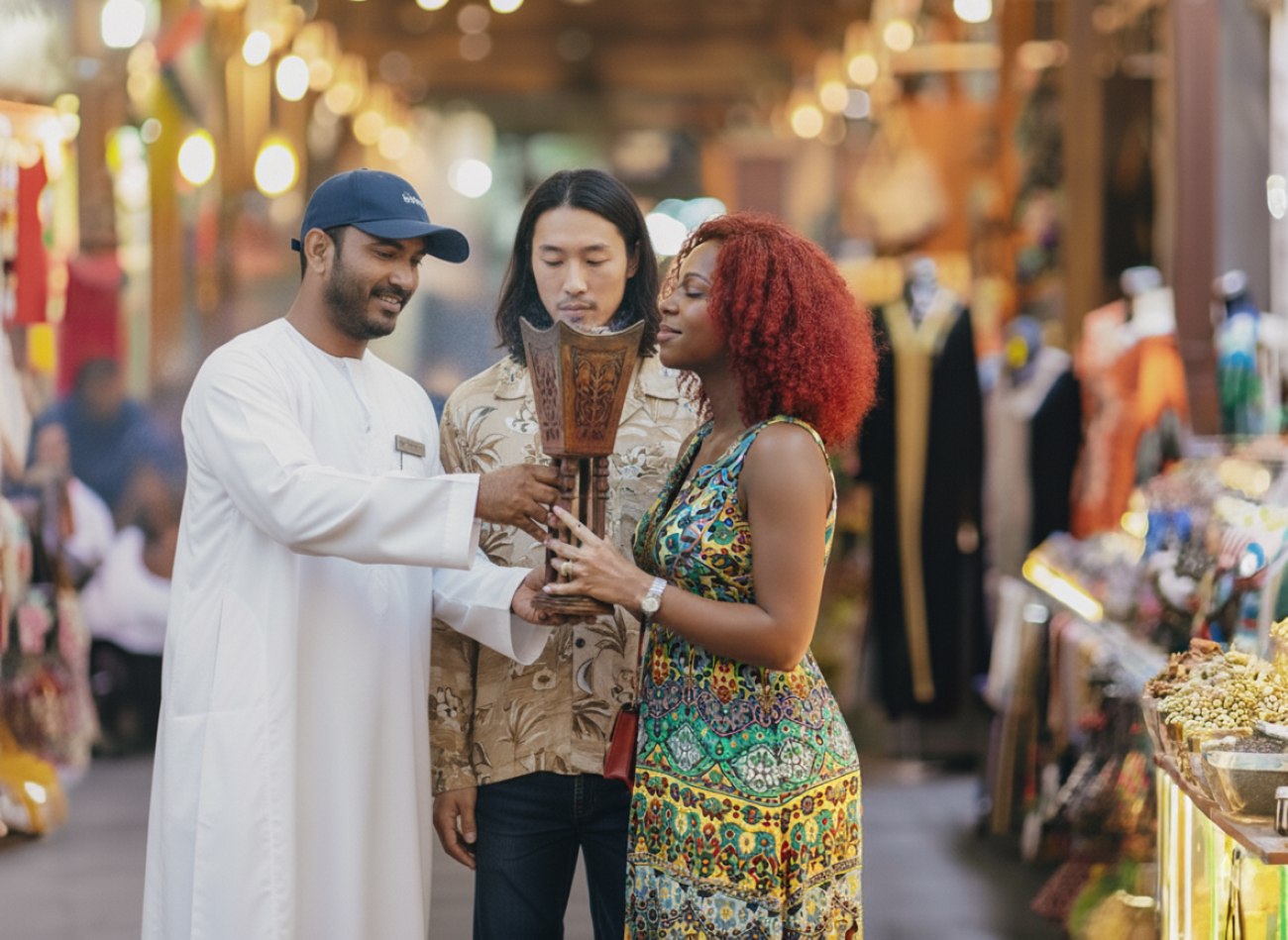
Navigate Dubai's traditional markets with insider knowledge, savor authentic street eats, and cruise the Creek.
Reserve
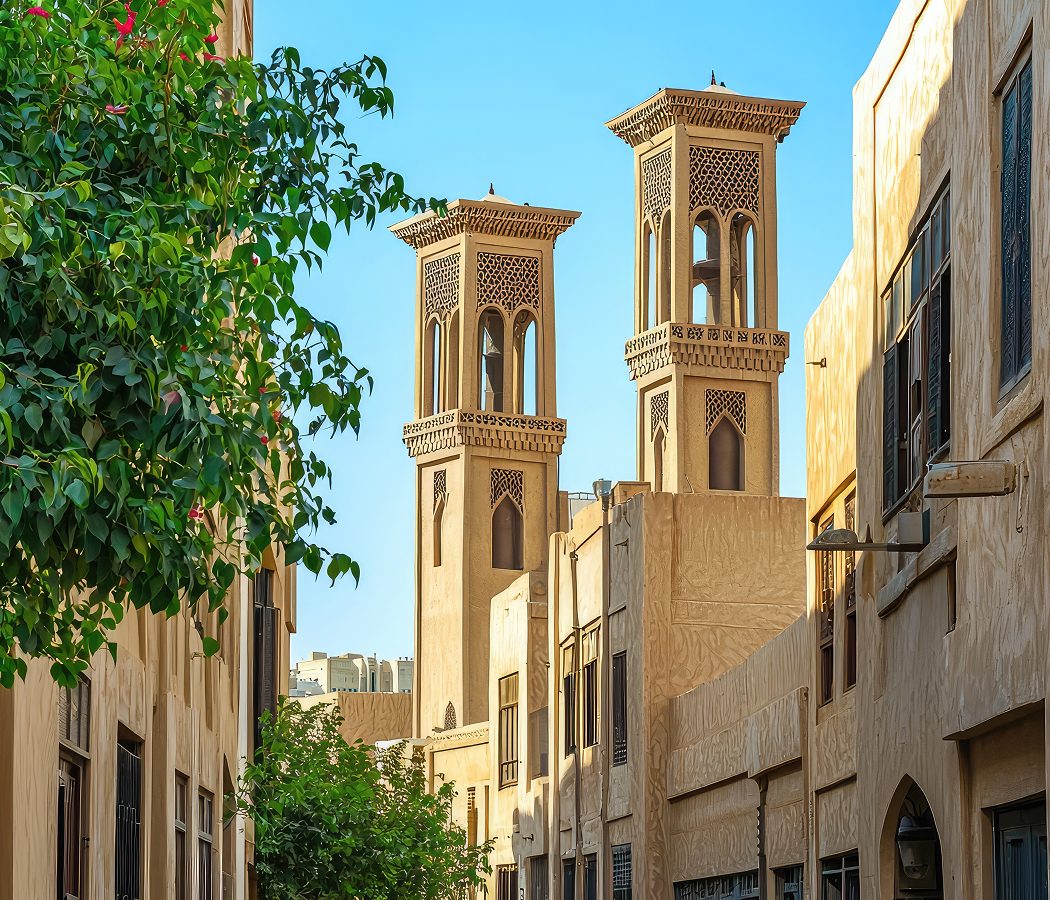
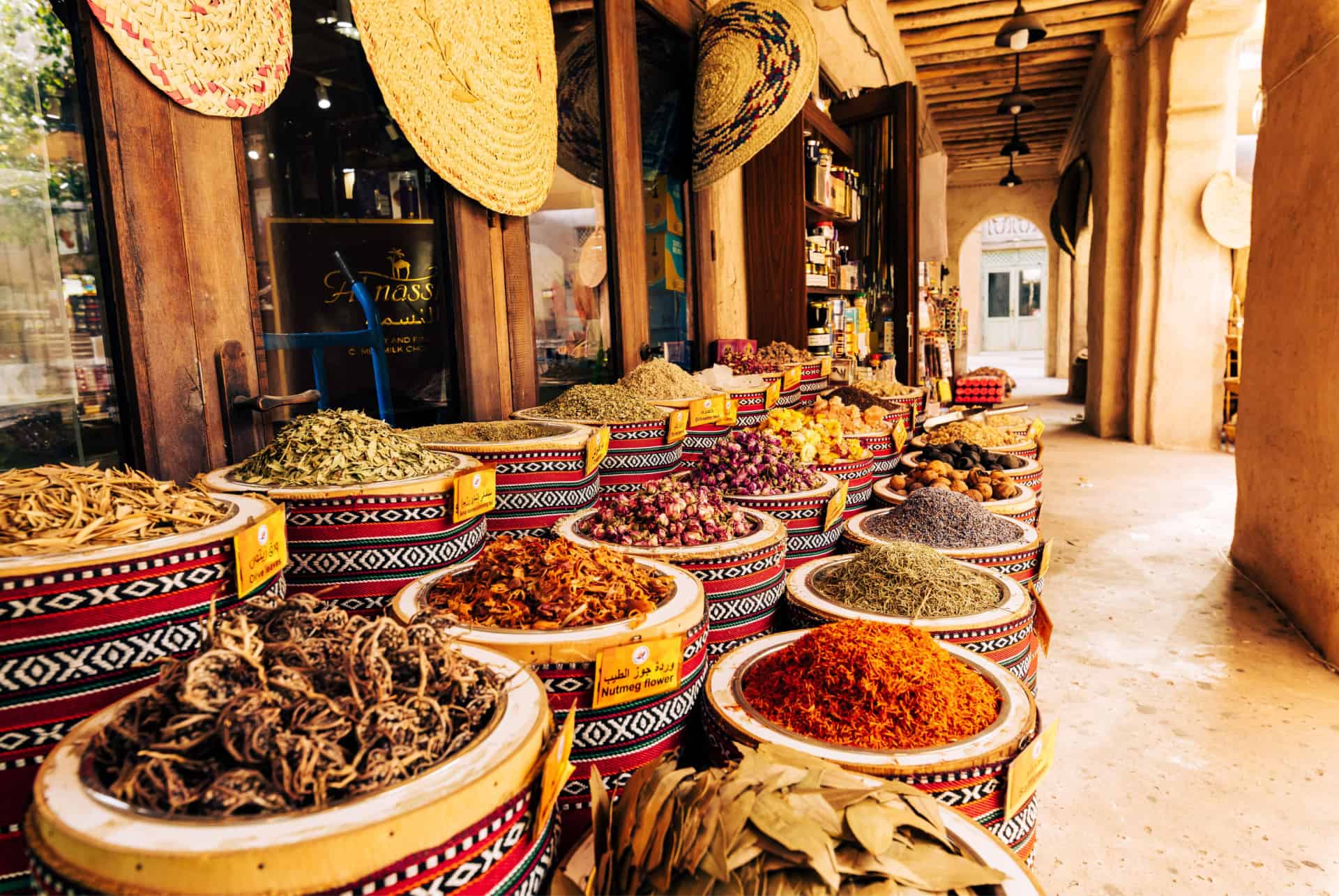
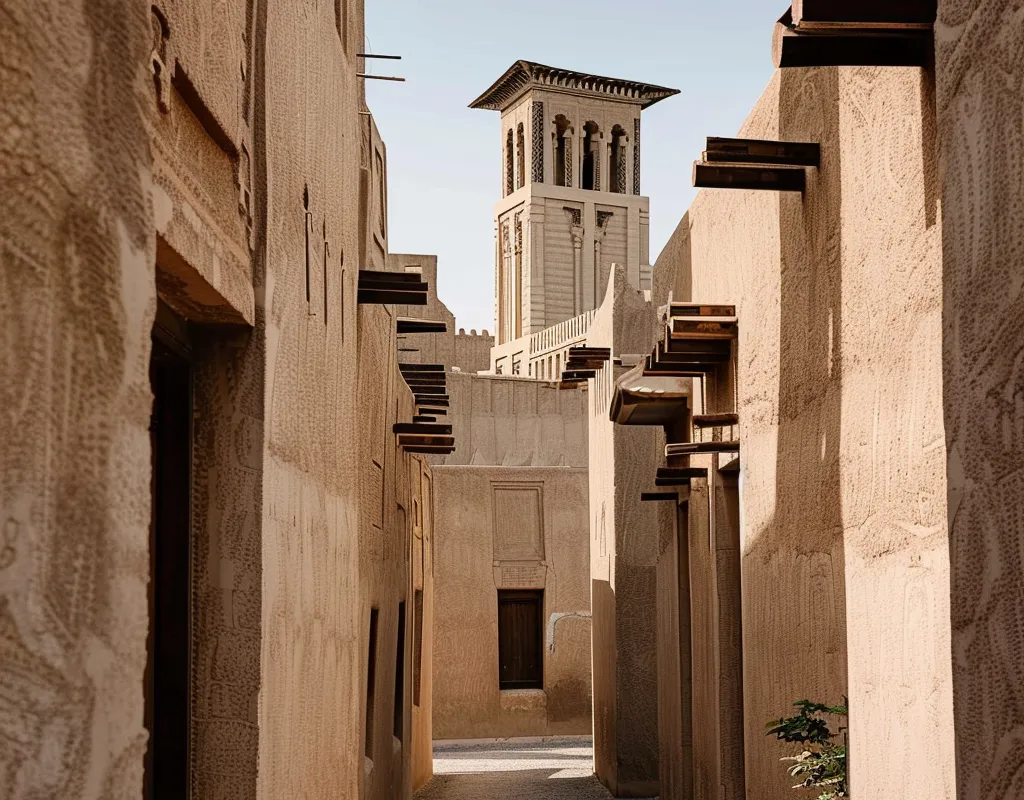
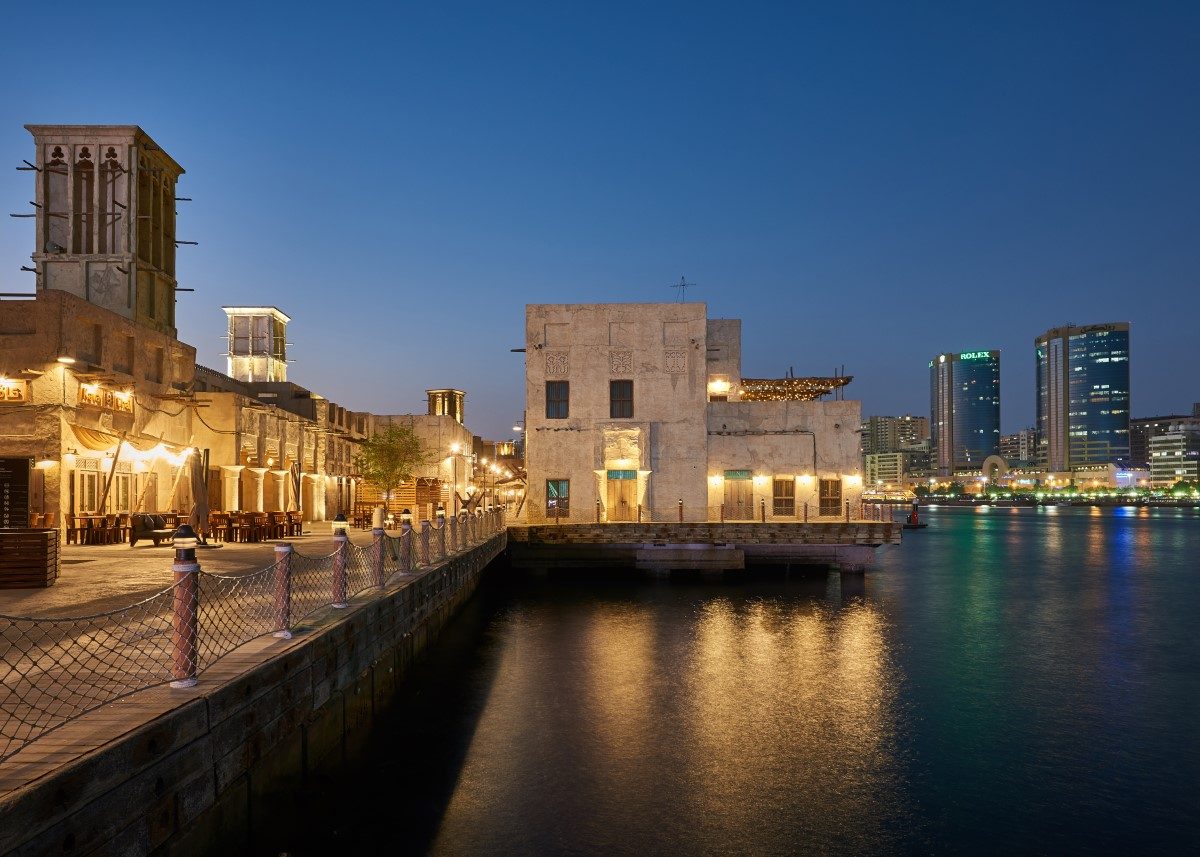
Wind-tower lanes and souk corridors, where pearl divers once traded
Hand-picked by our editors — only the best 12 experiences from 47 reviewed.
Verified partners for Old Dubai Walking tours, free cancellation where available, and instant confirmation on every booking.
4 hr
Navigate Dubai's traditional markets with insider knowledge, savor authentic street eats, and cruise the Creek.
Reserve
3 hr
Discover historic Al Fahidi, cruise Dubai Creek by traditional boat, and explore vibrant spice and gold markets
Reserve
3 hr
Journey through historic neighborhoods, sample local flavors, and cruise across Dubai Creek to bustling markets
ReservePrices from verified partners. Availability updates in real time at checkout. Free cancellation policies apply where shown.
The landmarks, rooms, and views travelers on Old Dubai Walking tours remember — all visible on a single visit.
Every Old Dubai Walking tour side-by-side — duration, what's included, how you redeem.
| Experience | Duration | Rating | Skip-the-line | Guide | Small group | Free cancel. | Price | |
|---|---|---|---|---|---|---|---|---|
|
Guided Experience Most popular
Historic Dubai Souks & Street Food Walking Tour
|
4 hr | ★ 4.8 | ✓ | ✓ | ✓ | ✓ | €14 | Book → |
|
Guided Experience
Old Dubai Walking Tour with Souks, Abra Ride & Street Food
|
3 hr | ★ 4.9 | ✓ | ✓ | ✓ | ✓ | €14 | Book → |
|
Guided Experience
Old Dubai Walking Tour with Creek Crossing & Souk Visit
|
3 hr | ★ 4.9 | ✓ | ✓ | ✓ | ✓ | €14 | Book → |
All prices from verified partners. Availability and exact terms confirmed at checkout.
Al Fahidi offers a serene look at traditional heritage architecture, while the Gold and Spice Souk district provides a high-energy, commercial sensory experience that complements your old dubai walking tour tours perfectly.
| Feature | Top pick Al Fahidi District | Gold & Spice Souks |
|---|---|---|
Atmosphere |
Quiet and historical | Vibrant and commercial |
Primary Activity |
Cultural heritage exploration | Market browsing and trading |
Crowd Levels |
Low to moderate | High and dense |
Typical Cost |
0 AED (free entry) | Variable spending costs |
Walking Intensity |
Low; shaded lanes | Moderate; crowded pathways |
Historical Focus |
Preserved wind towers | Traditional trade routes |
| See tickets → |
Verdict: Choose Al Fahidi for a peaceful cultural stroll, or visit the bustling souks if you prefer an intense, fast-paced old dubai walking tour tour experience requiring minimal old dubai walking tour tickets.
Choose your ticket, select your date, and reserve in under two minutes. Secure checkout handled by our verified partner.
Instant confirmation by email, with a mobile voucher you can save offline. No printing, no queuing at a collection desk.
Arrive at the entrance, show your voucher on your phone, and walk in. Most tickets include priority or skip-the-line access.
Practical details for Old Dubai Walking tickets straight from our verified partners — hours, access, rules, and how to get there.
Al Fahidi Historical Neighbourhood, Bur Dubai
Look for the prominent wind towers at the entrance area.
Open in Google MapsTake the Green Line Metro to Sharaf DG Station and walk 10 minutes.
Request a drop-off at Al Fahidi Historical Neighbourhood or the nearby Al Seef area.
Modest dress is recommended when exploring the old dubai walking tour, covering shoulders and knees to respect local culture. Light, breathable fabrics are advised due to the Dubai climate.
Small day bags are perfectly fine for an old dubai walking tour. There are no formal security checkpoints at the district entrances.
Photography is encouraged throughout the old dubai walking tour, especially of the traditional wind towers. Always ask for permission before taking photos of local residents.
The area is an open-air district with accessible lanes for a self-guided old dubai walking tour. Some smaller galleries may have a step at the entrance.
Mobile phone use is unrestricted during your old dubai walking tour. Ensure your device is fully charged for navigation and photography.
The old dubai walking tour is family-friendly and safe for children. The narrow, shaded alleyways provide a good environment for a leisurely walk.
Numerous traditional cafés and restaurants are located within the old dubai walking tour district. It is advised to carry a reusable water bottle.
Pets are generally not permitted inside the museums and indoor cultural venues of the old dubai walking tour. Please check specific house policies.
The old dubai walking tour is best enjoyed by following the historic walking paths. Consider combining your visit with an abra ride across the Dubai Creek.
Al Fahidi Historical Neighbourhood, Bur Dubai
Look for the prominent wind towers at the entrance area.
Get directionsBest time to go, insider tips, nearby landmarks, and the cancellation fine print — flip through to skim what matters to you.
How crowds, weather, and events shift across the year.
March–May offers pleasant temperatures before the summer heat settles in.
June–August is very hot; if visiting, stay strictly to the 07:00–10:00 window.
September–November provides cooling breezes and is ideal for an old dubai walking tour.
December–February is the peak season with perfect outdoor weather for walking.
Small details that turn a good visit into a great one.
Drink plenty of water even if you do not feel thirsty in the dry heat.
Download an offline map to navigate the winding alleys of the old dubai walking tour easily.
Keep small denominations of cash for purchasing snacks or taking the 1 AED abra ride.
Opt for loose-fitting cotton clothing to stay cool during your old dubai walking tour.
Visit during the recommended 07:00–10:00 window to avoid the afternoon peak heat.
The light is softest in the early morning for capturing the coral-stone textures.
Non-bookable sights within a short walk — free to visit, easy to pair.
Explore life-size dioramas of old souks and pearl diving history.
A waterfront promenade blending modern amenities with traditional aesthetics.
An architectural landmark near the entrance of the old souk district.
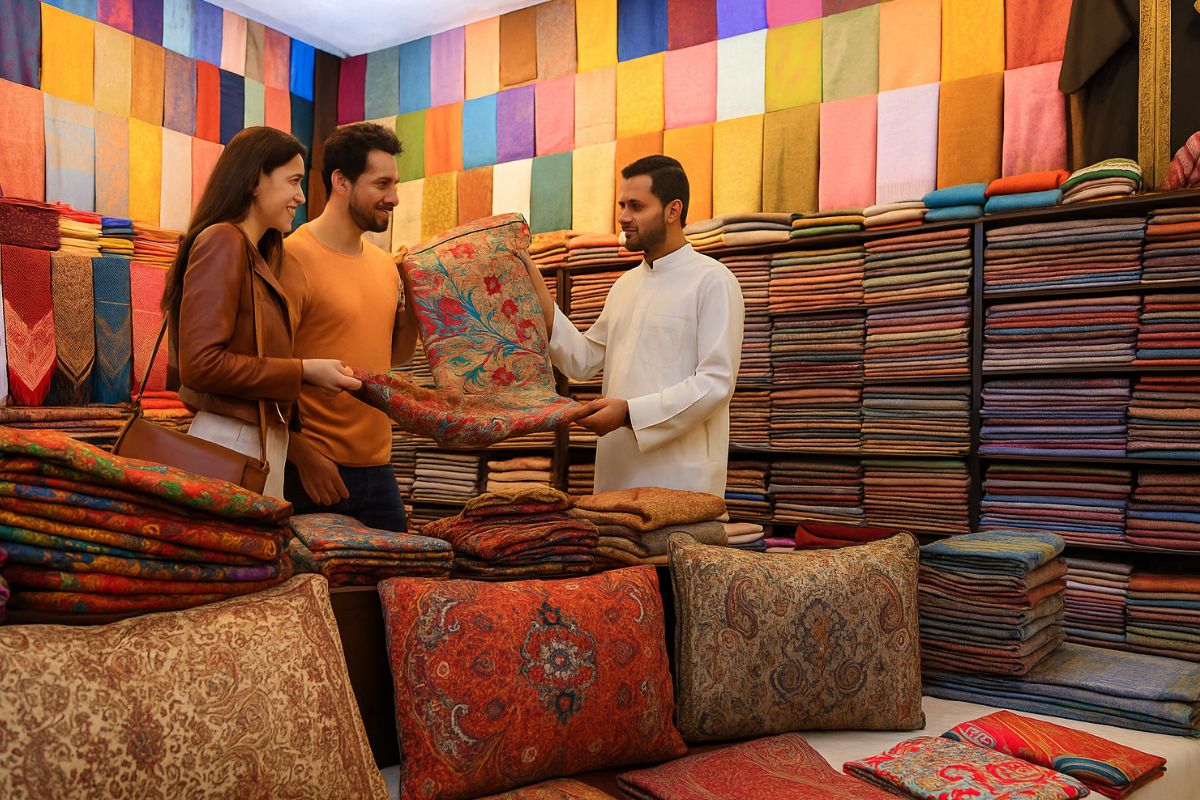
A vibrant market offering a variety of traditional fabrics and garments.
Flexible, no hidden fees.
The district itself has 0 AED entrance fee. Individual museum tours booked via third parties typically offer free cancellation up to 24 hours before the scheduled old dubai walking tour.
Hand-picked options within walking distance — pick a district for vibe, or a specific hotel for convenience.
Unique hotel located directly within the historic district.
A themed hotel offering a deep dive into traditional architectural styles.
Wide variety of mid-range and budget options surrounding the historic area.
The Al Fahidi Historical Neighbourhood occupies 38 hectares along the Dubai Creek's southern bank, where 50 restored courtyard houses and wind-tower structures date from the early 20th century — the era when pearl merchants and textile traders built fortunes before oil wealth reshaped the emirate.
The district's barjeel towers, standing four to six metres above rooflines, channelled Gulf breezes downward through shafts into living quarters below, dropping interior temperatures by up to eight degrees Celsius during summer months when the city recorded its highest mercury readings.
Today the quarter functions as Dubai's only protected heritage zone under the Dubai Culture & Arts Authority, anchoring the old town Dubai walking tour itineraries that draw 400,000 annual visitors to its labyrinth of gypsum-plastered alleyways. The conservation programme, initiated in 1995 and expanded in phases through 2008, transformed derelict merchant houses into galleries, courtyard cafes, and the Sheikh Mohammed Centre for Cultural Understanding, which conducts guided old dubai walking tour sessions in five languages. The Coffee Museum, XVA Art Hotel, and Majlis Gallery occupy renovated compounds along Al Fahidi Street, their teak doors and coral-stone thresholds opening onto shaded courtyards where fountain basins and date palms recreate the domestic scale of pre-modern Gulf urbanism.
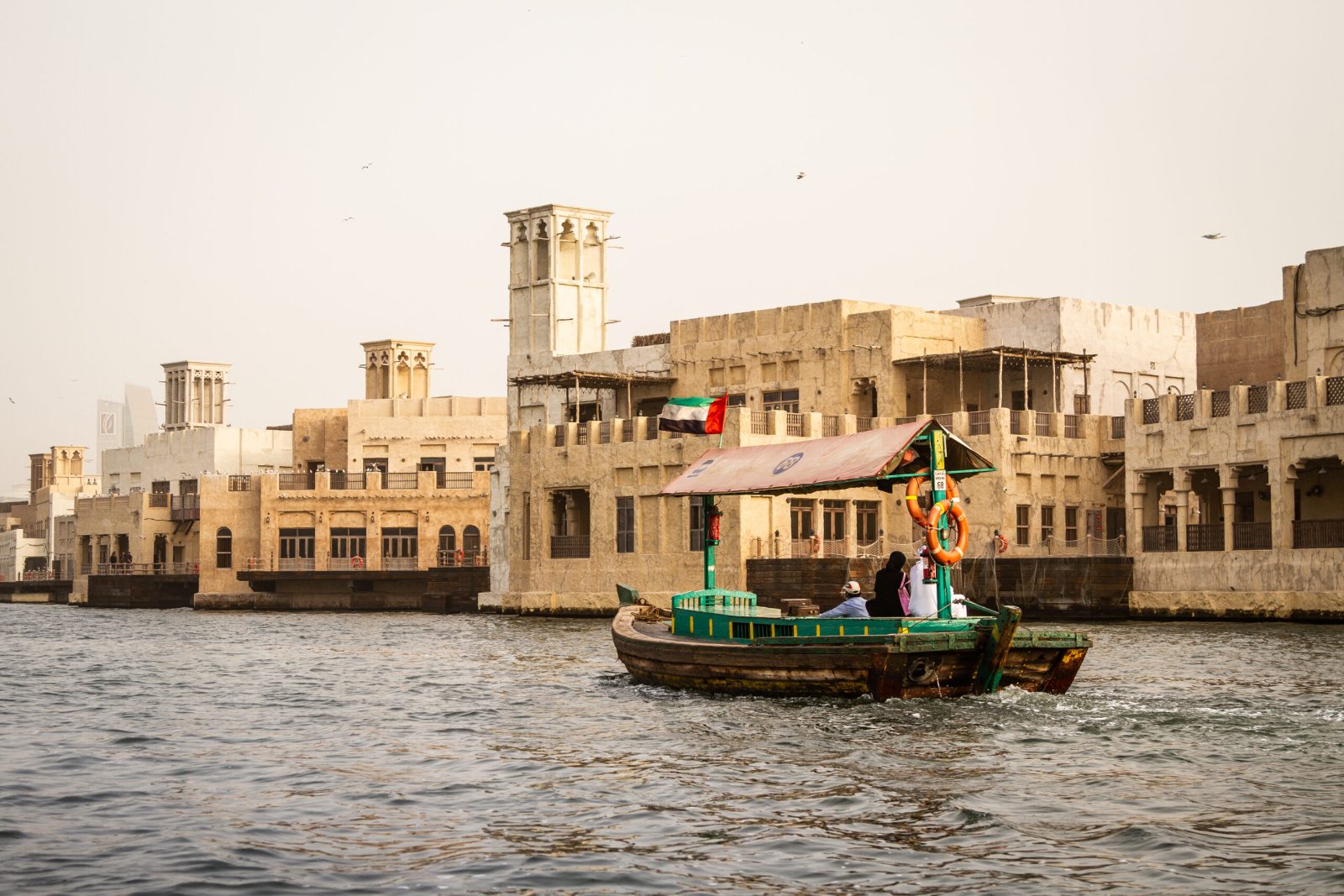
The textile souk and spice souk flank the neighbourhood's northern edge, their canvas-roofed corridors running parallel to the creek promenade where abra ferries cross to Deira in four-minute intervals. The old dubai walking tour map pdf distributed by the tourism authority marks 14 waypoints across the district, including the Al Fahidi Fort (1787), the city's oldest standing structure, now housing the Dubai Museum's archaeological wing. The self guided walking tour route extends 2.7 kilometres when including the waterfront and souk perimeter, a distance manageable in early morning hours before midday temperatures exceed 35 degrees Celsius between May and September.
The district's architectural lexicon — wind towers, coral-block walls, arched doorways — represents the vernacular building tradition that defined Gulf port cities from Basra to Muscat before the concrete boom of the 1970s. The best old dubai walking tour experiences incorporate the creek crossing, allowing visitors to trace the mercantile axis that sustained Dubai's economy for a century before petroleum extraction began in 1969.

"The barjeel towers channelled Gulf breezes downward, dropping interior temperatures by up to eight degrees Celsius during summer months."
A step-by-step walkthrough of Old Dubai Walking tickets — what you'll see, how long each stage takes, and the details that matter.
You enter through the eastern gate at first light, when the limestone walkways still hold the cool of the desert night and shopkeepers roll back shutters along the alley fronts. The first wind tower rises three storeys above a courtyard house, its four open shafts framing squares of pale sky.
You step into the Coffee Museum's dim interior, where 200-year-old brass grinders and Ethiopian clay pots line glass cases, then emerge into a courtyard where a fountain trickles over turquoise tiles.
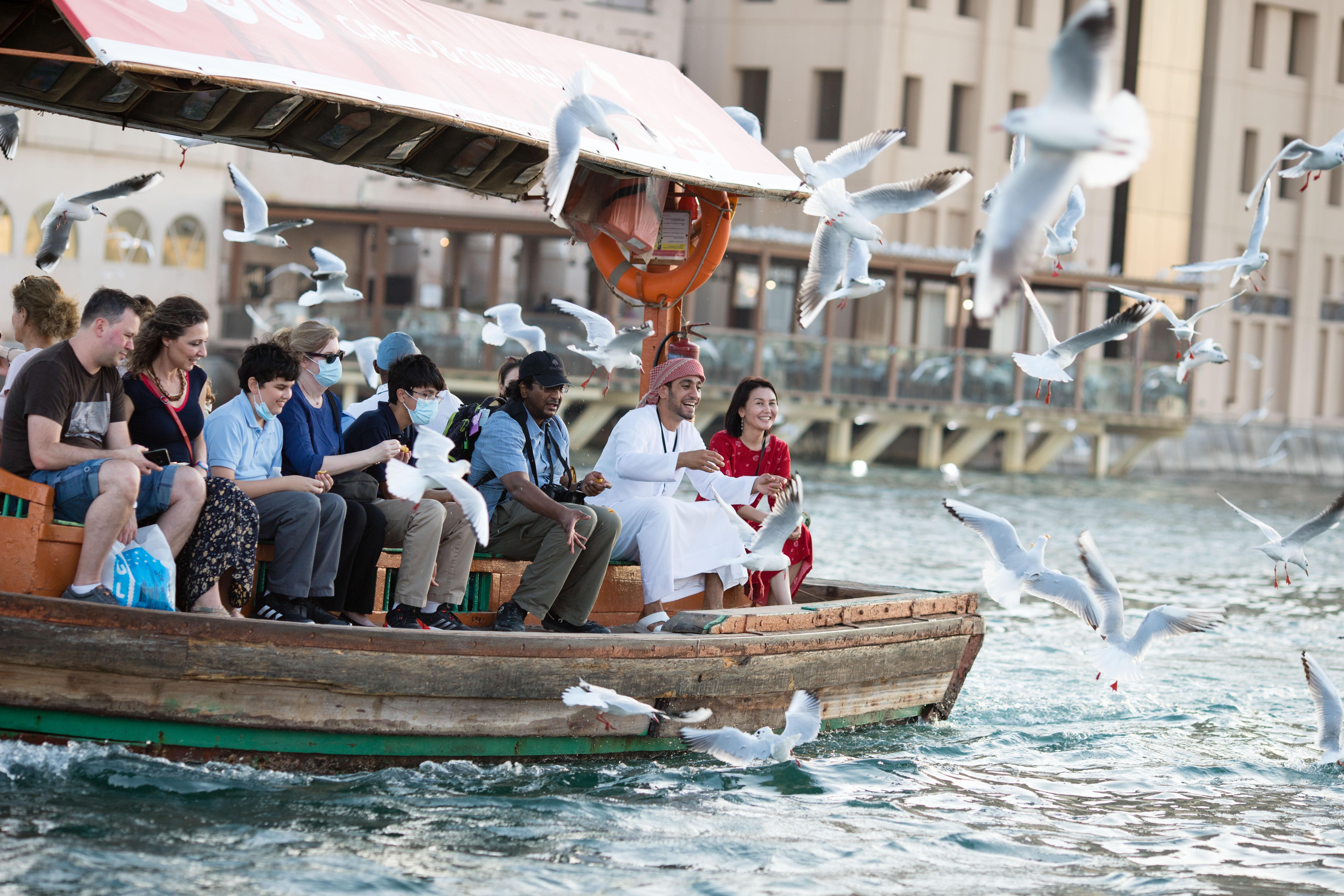
The alley turns twice before opening onto the textile souk's main artery, where bolts of silk and cotton stack floor to ceiling in stalls barely two metres wide. You negotiate the canvas-shaded corridor, sidestep a porter wheeling a cart of saffron sacks, and reach the creek promenade. An abra idles at the dock, its diesel engine coughing. You pay the one-dirham fare and cross to Deira, the city's glass towers rising incongruous behind the low roofline of the spice souk.
Back on the Bur Dubai bank, you follow the heritage walk signage past the Sheikh Mohammed Centre, where a guided session is gathering in the majlis hall. The route curves south through residential lanes, each barjeel tower casting a geometry of shadow across whitewashed walls, until you reach the fort's crenellated gate. The courtyard beyond holds a dhow hull and pearl-diving weights, relics of the trade that built this quarter a century before the skyscrapers appeared.
The Al Fahidi Historical Neighbourhood is open daily from 07:00–20:00, allowing for a flexible old dubai walking tour schedule.
Entry to the district is 0 AED; your old dubai walking tour is free to explore, though individual museums may charge a small fee.
Most visitors spend 2–3 hours on an old dubai walking tour to fully experience the atmosphere and architecture.
The best arrival window for an old dubai walking tour is 07:00–10:00 to avoid midday heat.
Yes, the old dubai walking tour is family-friendly and safe for visitors of all ages.
Photography is welcomed during your old dubai walking tour, but please be respectful when taking photos of people.
Yes, you will find several traditional cafes and tea houses along the routes of your old dubai walking tour.
You can reach the site for your old dubai walking tour via the Green Line Metro, exiting at Sharaf DG Station.
Yes, the district is open for your old dubai walking tour every day of the week, including Saturday and Sunday.
Yes, you can easily combine your old dubai walking tour with a visit to the nearby Dubai Museum or the Textile Souk.